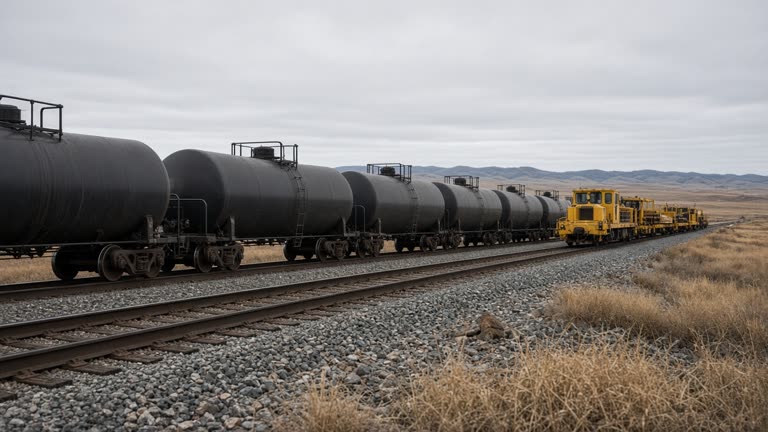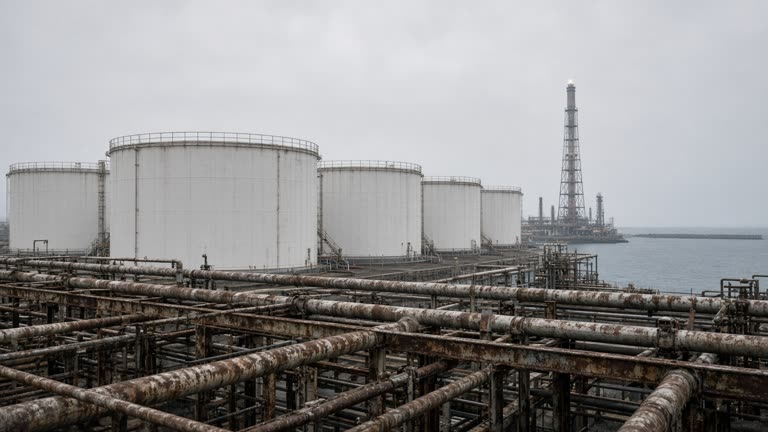
JSW Steel has nudged up September export-parity bids for hot-rolled coil routed through Visakhapatnam, according to a circular the Engineering Export Promotion Council circulated to MSME buyers and trading desks reviewed by InfoHandle. The move lands the same week Visakhapatnam Port Authority published FY26 trade statistics showing exports up 19.4 per cent to 33.67 million tonnes, with steel and engineering cargo cited among the fastest-growing outbound buckets on the east coast.
What the filing and circular show
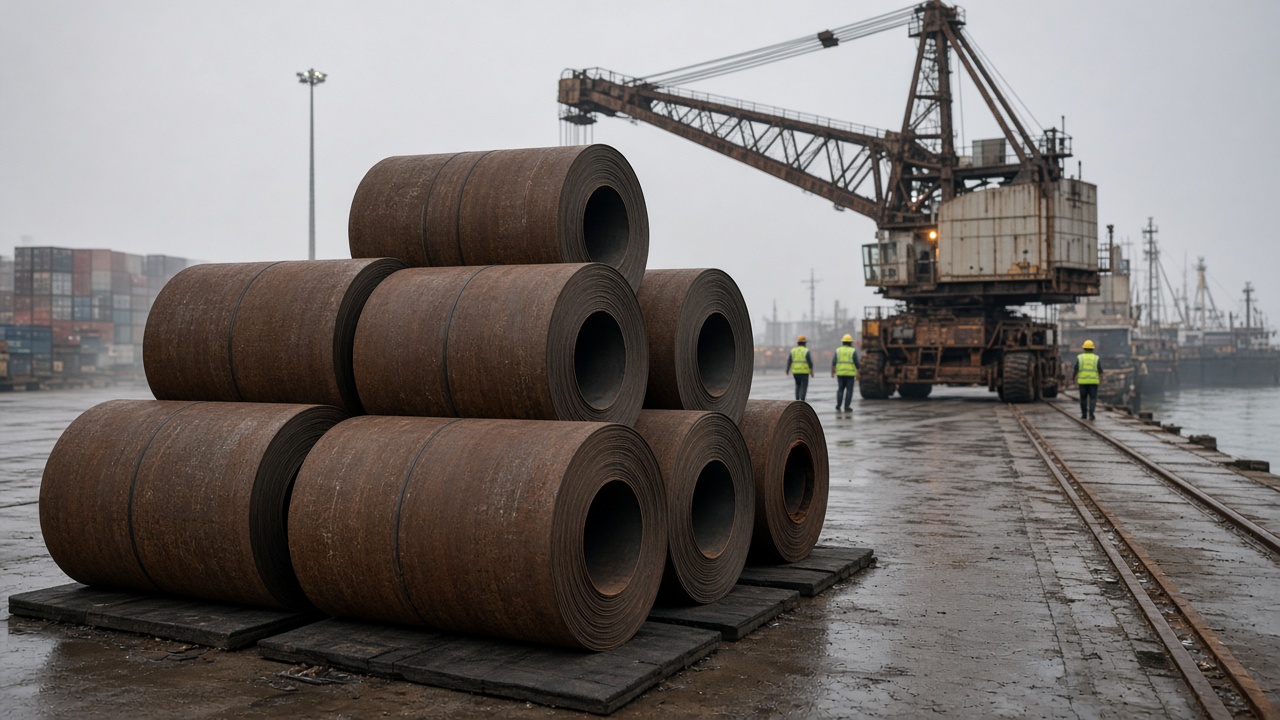
The EEPC-hosted JSW price sheet for September 2026 pegs HR coil S-275 at $584 a tonne FOB-India on a 95.75 rupee exchange rate, translating to an ex-mill reference of ₹56,715 a tonne before freight and GST. That is a modest lift from the August reference traders were working with, and it comes as European buyers continue to absorb the bulk of JSW’s export book: the company’s own FY26 disclosure puts Europe at roughly two-thirds of outbound volume, with HR coil alone crossing 1.13 million tonnes for the year.
None of that volume is attributed to a single port in the annual report, but import manifests tracked by shipping databases still show regular east-coast sailings labelled “all other India east coast ports,” a category brokers in Chennai and Vizag use when coils leave through minor berths rather than Jawaharlal Nehru. For Andhra-based rerollers, the practical question is berth access, not the headline FOB number.
Andhra’s draft berth note
State port officials told InfoHandle that a draft allocation memo for break-bulk coil movements at Vizag’s outer harbour berths cleared inter-departmental review on 18 September. The note does not create new capacity; it sequences night-window loading for coated coil parcels above 8,000 tonnes when monsoon swell subsides. Chairperson M. Angamuthu’s public remarks after the FY26 data release emphasised “broad-based” export growth across bulk and break-bulk segments—language port labour unions read as a signal that steel parcels will keep priority through the festive quarter.
JSW’s corporate site still markets Neosteel TMT rebars supplied into Vizag’s jetty modernisation, a reminder that the group’s relationship with the port is infrastructure as much as outbound trade. Traders said the September bid lift is partly a pass-through of higher BigMint assessments for the 16 July–15 August reference window, and partly a bet that Andhra’s draft clearance reduces demurrage risk for parcels that missed August sailings.
Who inside JSW wins
Export desk managers at Dolvi and Vijayanagar coordinate parity pricing, but coastal dispatch planners in Visakhapatnam gain leverage when berth drafts are explicit. Two mid-level logistics executives InfoHandle spoke with—both authorised only on background—said coil stock at Gangavaram satellite yards was drawn down faster after the port data release, with European letters of credit requesting November laycans.
On the exchange, JSW Steel’s session moves were muted relative to smaller rerollers, consistent with a company whose export mix is already diversified across Mumbai, Mundra and east-coast load ports. The incremental story is margin protection on parcels that no longer sit idle waiting for a berth window.
What MCA and exchange watchers still owe
JSW has not filed a separate BSE disclosure on Vizag-specific volumes; any material change would likely arrive through quarterly operational updates rather than a port-by-port breakdown. Investors tracking working capital should watch inventory days in the September quarter presentation, due after Navratri shutdowns at several downstream auto clients.
For Andhra, the draft note still requires a formal gazette notification before stevedores can invoice night-shift premiums. Until then, the September parity sheet is the clearest signal that India’s largest steelmaker expects Vizag’s export lane to stay busy while European buyers pull HR coil ahead of winter stock builds.
Coastal customs brokers in Visakhapatnam said advance booking lists for October sailings lengthened after the FY26 throughput release, with several MSME engineering exporters pairing JSW coil parcels with their own containerised shipments to save on berth waiting time. A Gangavaram-based reroller noted that even a small parity increase matters when letters of credit are denominated in euros and hedged monthly—every ₹500 a tonne shift shows up in working-capital lines that banks renew before Diwali.
Union representatives at the port trust asked management to publish coil-specific tonnage in the next monthly bulletin, arguing that aggregate export growth masks which commodities actually drive night-shift demand. JSW’s export desk declined comment beyond the EEPC circular, but the company’s annual report already flags Asia and the Middle East as secondary markets should European demand soften—diversification that Vizag stevedores say depends on keeping coated coil moving when monsoon weather windows are narrow.