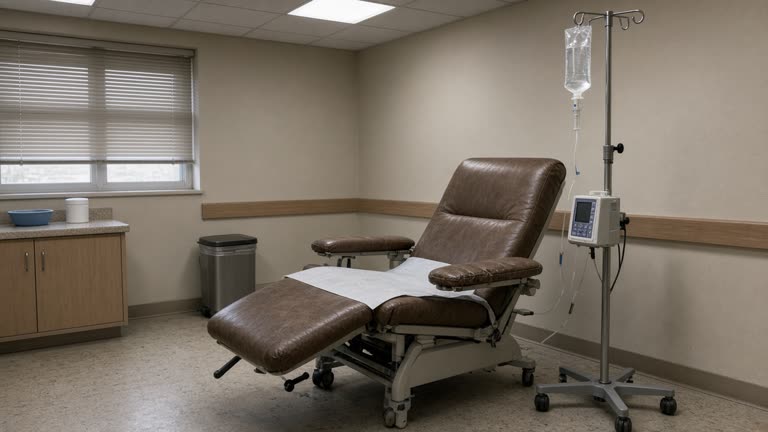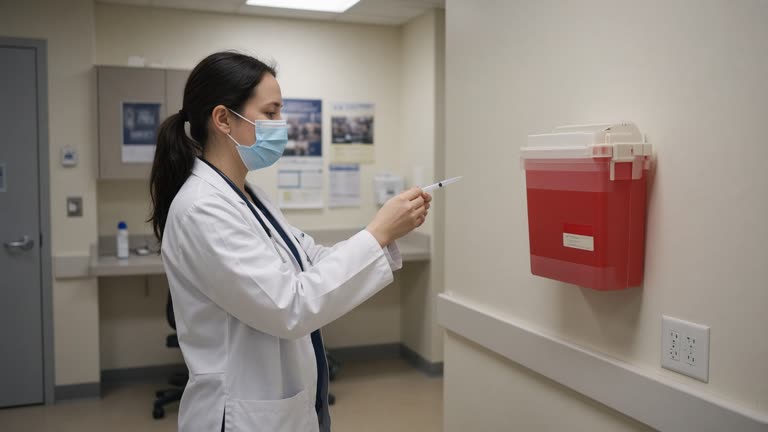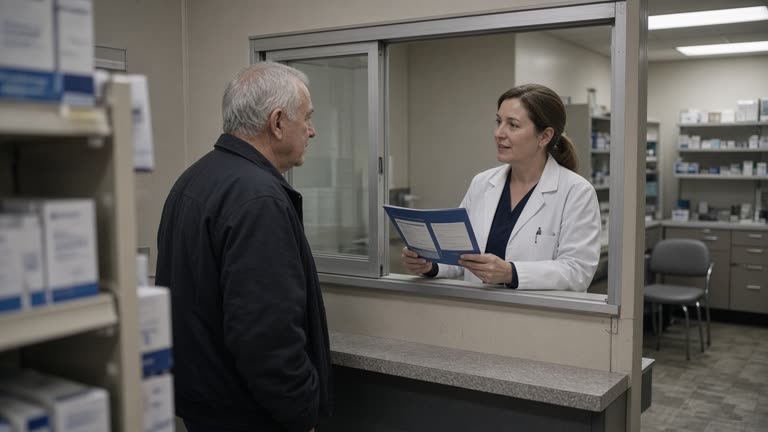
Kaiser Permanente told members in Oregon and Washington it will release more than 18,000 additional respiratory syncytial virus vaccine appointments through October after internal pharmacy dashboards showed adult uptake among eligible seniors lagging CDC coverage goals by roughly twelve percentage points in the Portland and Seattle service areas, according to a member bulletin posted Friday and reviewed by InfoHandle. The expansion is scheduling capacity, not a new formulary decision—Kaiser continues to offer the same FDA-approved shots it stocked at the start of respiratory season.
Who gets priority in the new blocks
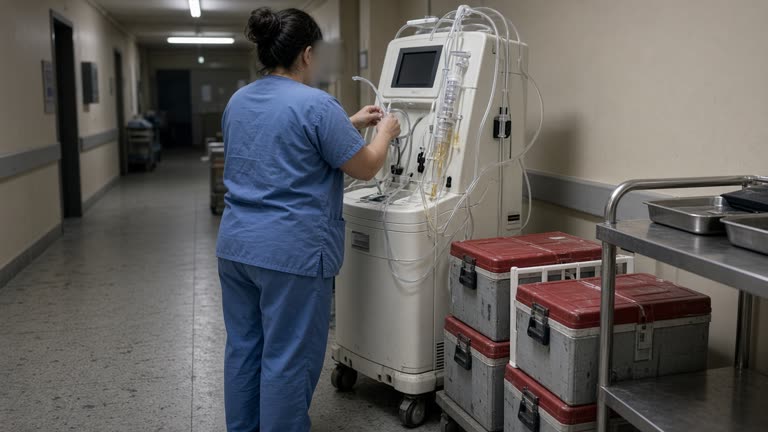
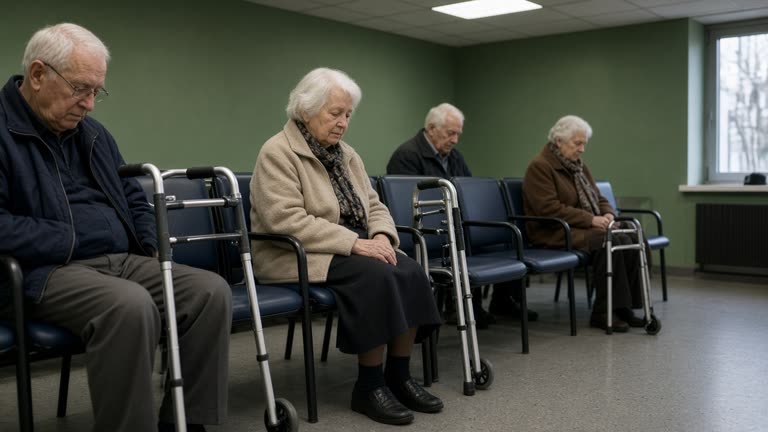
The added slots target adults 60 and older with chronic obstructive pulmonary disease, asthma requiring daily controllers, or congestive heart failure—groups the CDC lists at higher risk for RSV hospitalization. Kaiser clinics in Bellevue, Tacoma, Eugene, and Salem received the bulk of appointments; rural sites with single-vaccinator days got smaller batches to avoid cold-chain waste when vials must be used within hours of opening.
Members book through the patient portal or nurse advice line; walk-ins remain limited to same-day cancellation lists. Pharmacists said they are not redirecting pediatric RSV monoclonal doses, which follow a separate inventory track for infants.
Why uptake stalled
Clinic managers cited appointment fatigue after a stacked immunization season—COVID boosters, flu shots, and pneumococcal updates competing for the same fifteen-minute nursing blocks. Some seniors told outreach nurses they confused RSV with flu and assumed one shot covered both. Kaiser’s bulletin repeats that RSV vaccines are not interchangeable with influenza formulations and that co-administration is allowed but may increase sore-arm reports for a day or two.
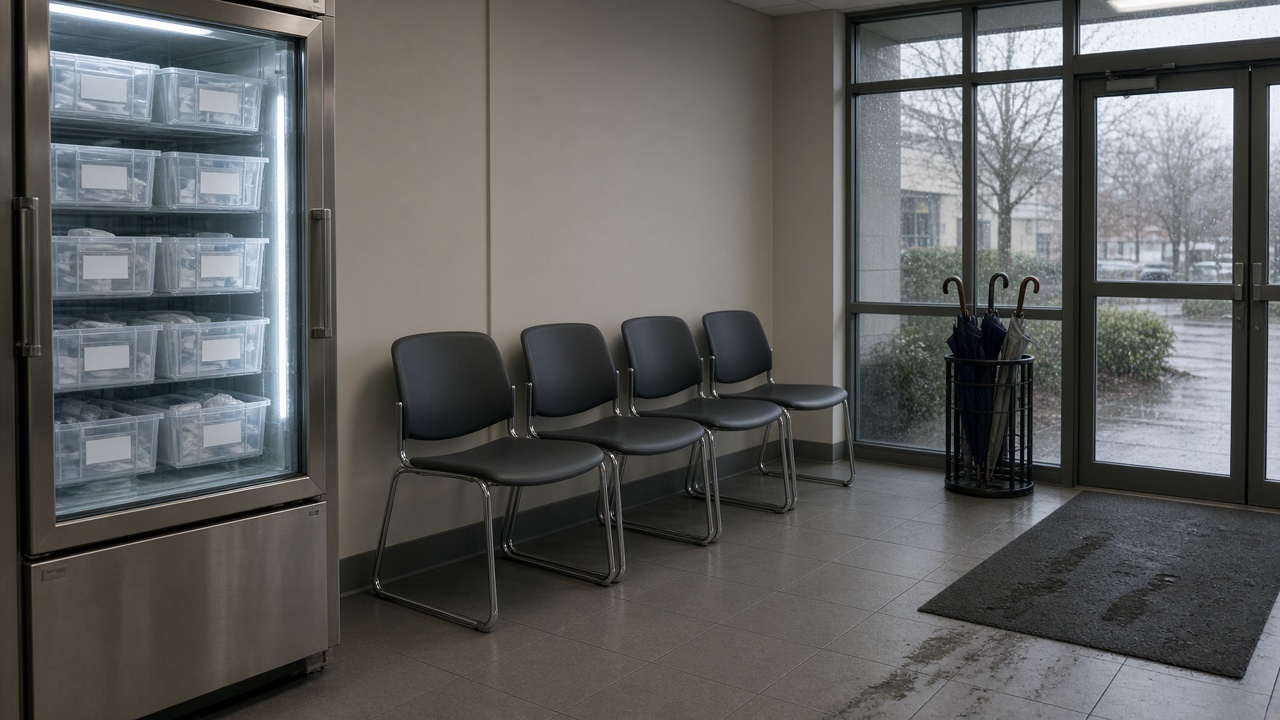
Cost is less of a barrier inside Kaiser’s integrated model, where most Medicare Advantage and employer plans cover the dose at zero copay. The gap appears to be timing: early-season messaging in August reached travelers; September rain and wildfire smoke episodes kept vulnerable patients indoors and away from lobby clinics.
Evidence Kaiser cites
The health system pointed members to CDC summaries showing hospitalization reductions in trial populations, while cautioning that absolute risk depends on age and comorbidities—not every senior benefits equally. Michael Patel’s desk notes the honest limit: post-marketing surveillance is still building for second-season effectiveness, and patients with recent Guillain-Barré syndrome should consult physicians before scheduling.
What to bring and what not to do
Arrive with medication lists and insurance cards even inside Kaiser; pharmacy audits still require documentation when doses cross state lines between Oregon and Washington facilities. Do not skip flu vaccination because RSV is booked—the diseases circulate on different timelines, and November clinics already show flu appointment tightness in King County.
If portal slots show zero availability, check neighboring medical offices within the same region; Kaiser said it will shift unused vials every Friday rather than discard open packages. For caregivers, the practical signal is operational: more chairs in clinic lobbies, not a new miracle shot—just easier access before Pacific Northwest nights turn cold enough to keep windows shut and viruses concentrated indoors.