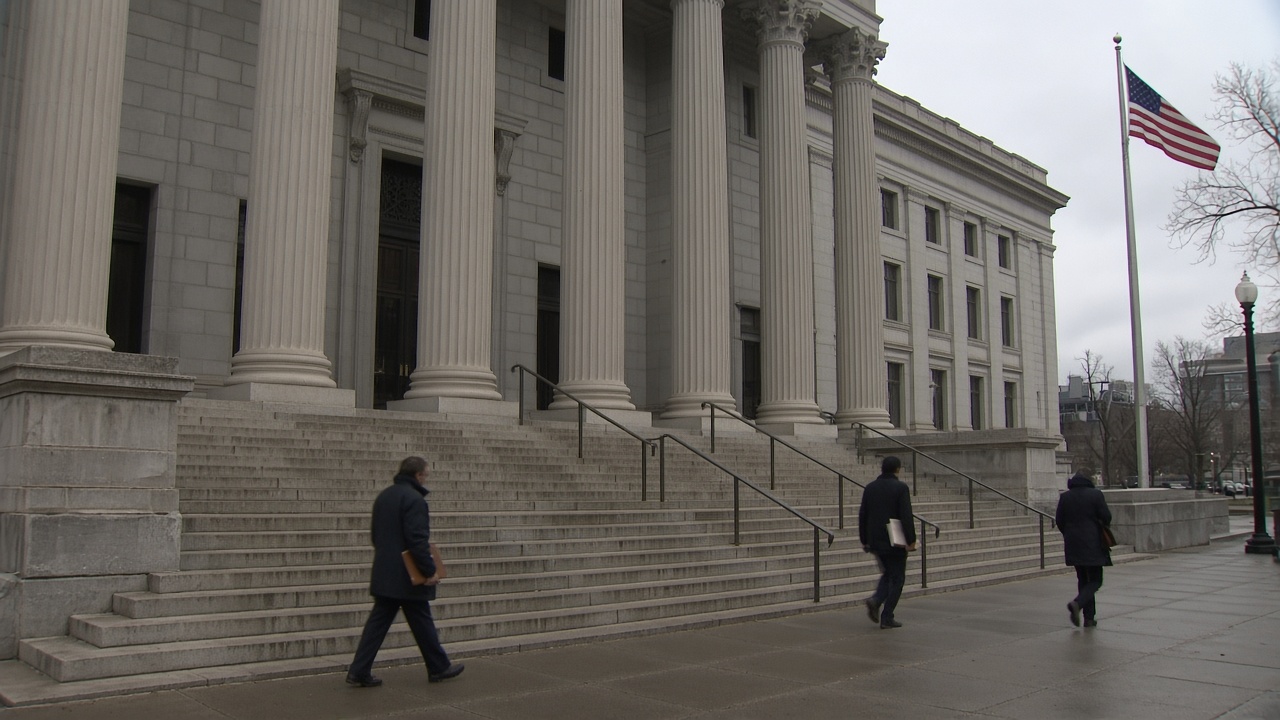
CNN, Politico and MS NOW filed suit Monday in U.S. District Court for the District of Columbia against President Donald Trump and top aides, seeking an emergency order to reverse a White House ban that locked their journalists off the complex and confiscated credentials on Sept. 19. The complaint alleges First Amendment retaliation and Fifth Amendment due-process violations after Trump announced the policy Friday on Truth Social, citing coverage he called “FAKE NEWS.”
From post to padlocked gates
Trump’s Friday afternoon post said journalists from the three organizations were barred “effective immediately.” Overnight, hard passes were deactivated in the credential system; on Saturday, reporters attempting routine entry—including MS NOW’s Akayla Gardner—were refused at the Northwest Gate and had physical badges seized, according to the lawsuit and outlet statements. The organizations said Monday they notified the government they were filing suit to “protect our First Amendment rights and defend the principle that the government does not decide what the press reports.”
The case lands as the administration has escalated fights with individual outlets, including an Associated Press access dispute that produced mixed appellate rulings depending on which White House spaces were at issue. Lawyers for CNN, Politico and MS NOW argue the latest ban is broader—excluding their journalists from the entire complex—and therefore harder to defend as a neutral security measure.
Legal claims and calendar
The complaint leans on precedent from CNN’s 2018 Jim Acosta case, where a judge ordered the White House to restore a single reporter’s pass after a due-process violation. It also cites language from recent D.C. Circuit opinions that the government cannot block journalists from areas “generally open to the press” because of viewpoint. Plaintiffs are asking for a temporary restraining order that could bring hearings as early as this week.
Meanwhile, logistical ironies pile up: CNN said it remained the network pool for presidential travel Monday even as its White House team stood outside the fence. Pool duties rotate under agreements among major broadcasters; cutting one outlet’s campus access while relying on its cameras for taxpayer-funded travel will be a flashpoint in any injunction briefing.
Politics on both sides
Republican allies framed the ban as pushing back against unfair coverage, while Democrats and press-freedom groups called it the clearest First Amendment test of Trump’s second term. House Oversight Democrats said they would seek testimony on who ordered credential deactivations; the White House has not named a process for other organizations Trump threatened in his Friday post.
For the West Wing, the lawsuit forces a choice: defend the ban in open court with evidence of misconduct by named journalists, or retreat and restore passes while saving face through new “standards.” History suggests a partial climb-down is possible; the Acosta order ended with a written set of behavior rules. But three national newsrooms with combined congressional and legal resources are a heavier lift than a single correspondent—and the president’s own words about motive will be exhibit A.
Whatever the judge rules, the episode already signals that press relations in the second Trump administration will be fought gate by gate, not only on air. Monday’s filing makes that fight formal.