NTT Communications started quantum key distribution trials this month between its Otemachi data hall in Tokyo and the Dojima facility in Osaka, running photon channels on leased dark fiber while classical management traffic stays on existing metro Ethernet rings. The pilot targets financial and cloud tenants that want to test post-quantum key refresh without ripping out TLS termination appliances—a narrower ask than nationwide QKD backbones, but one NTT Com product managers say enterprise racks are ready to evaluate now.
What actually shipped
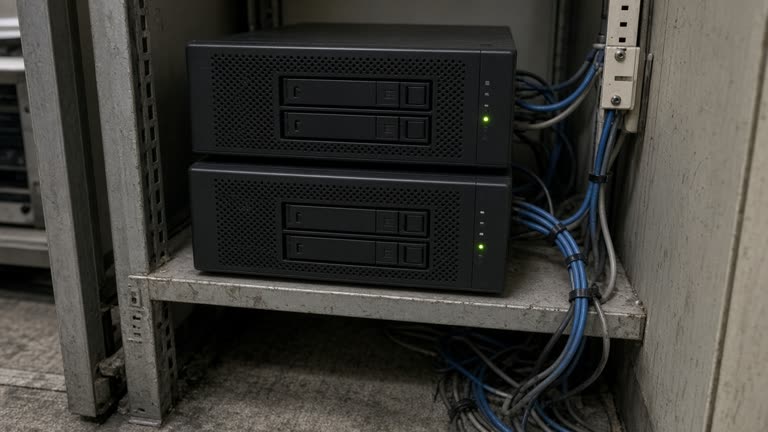
Engineers installed paired QKD transceivers in meet-me rooms on both campuses, with key material forwarded to customer demarcation panels over out-of-band channels. NTT Com documents a 430-kilometer effective path when redundancy loops are counted; live key rates during September daytime windows averaged in the low kilobit-per-second range on vendor slides shared under embargo—enough for session rekeys on pilot VLANs, not for bulk data encryption.
Tenants receive SNMP traps when quantum bit error rates climb, triggering automatic fallback to pre-shared keys stored in hardware security modules. NTT Com would not name participating banks, citing confidentiality, but said two Osaka payment processors and a Tokyo custody software vendor joined the first cohort.
How it sits on the existing network
The trial reuses NTT Com metro dark fiber strands that already connect the halls for latency-sensitive replication. Quantum channels occupy separate wavelengths; classical sync uses the same path with conventional amplifiers disabled on the quantum span—a maintenance constraint field teams rehearsed during Golden Week shutdowns.
Product staff told InfoHandle the offer is packaged as a managed service: NTT Com owns transceiver firmware, patch scheduling, and annual calibration visits. Customers keep application keys inside their HSMs; NTT Com never sees plaintext payloads. That split matters for FISC-aligned institutions reviewing vendor access logs.
Support and operations in six months
Spare transceivers sit in Otemachi and Dojima stock rooms with four-hour swap SLAs for paying pilots. Beyond that window, NTT Com routes replacements from a Chiba logistics hub—acceptable for trial VLANs, less so for production trading floors unless customers buy premium tiers NTT Com has not priced publicly.
Field technicians must complete vendor certification on single-photon detectors; NTT East union crews are not authorized to touch quantum shelves without escort. If hiring stalls, autumn expansion to a Nagoya hall could slip, executives cautioned prefecture telecom liaisons in a closed briefing InfoHandle attended via notes.
Where the bottleneck is
Dark fiber availability between halls is not the limit—NTT Com already lights those paths. Detector drift during humid Osaka summers is. Engineers logged elevated error rates on two September afternoons when chiller failures warmed meet-me closets; automated failover worked, but auditors asked for humidity telemetry NTT Com only promised for commercial launch.
Competing carriers pitch software-only key encapsulation without quantum hardware. NTT Com argues regulated tenants want a physical layer story for board slides, even if operational overhead runs higher than AES with frequent manual rotations.
Industry spine versus consumer spine
This is an industry play: no retail subscriber sees QKD. Cloud resellers might white-label the service for overseas funds clearing through Japan, but NTT Com’s near-term revenue model is rack-by-rack pilots billed quarterly. Consumer VPN marketing remains untouched.
Ministry of Internal Affairs materials encourage resilient cryptographic diversity without mandating QKD; NTT Com cites those guidelines when pitching, but no subsidy covers transceiver capex. Customers fund hardware deposits upfront.
Claims versus what buyers can verify
NTT Com published no independent lab benchmark during the trial opening. Customers can verify key exchange logs and failover timers on their VLANs; they cannot independently confirm long-haul photon loss without renting OTDR crews. InfoHandle could not validate marketing claims that eavesdropping attempts triggered alerts during staged penetration tests—those results came only from vendor PDFs.
What breaks next
Software upgrades scheduled for October require synchronized maintenance on both ends; mis-timed patches could force week-long classical-only fallback. NTT Com is staging blue-green transceiver pairs to shorten that window, a technique borrowed from financial multicast cutovers.
If error rates stay elevated through typhoon season, commercial launch may downgrade to Tokyo-only QKD with Osaka on classical keys—a compromise product managers floated to early adopters but have not announced.
Pricing and contracts
Pilot contracts run six months with exit clauses if key rates fall below contracted floors for fourteen consecutive days. Legal teams inserted liability caps typical of colocation MSAs; quantum-specific indemnities remain under negotiation for full production tiers.
For enterprise buyers, the practical question is whether board-ready quantum narratives justify extra rack power and calibration visits. NTT Com’s bet is that a handful of regulated pilots will convert before competitors ship national SD-WAN overlays with cheaper software keys.