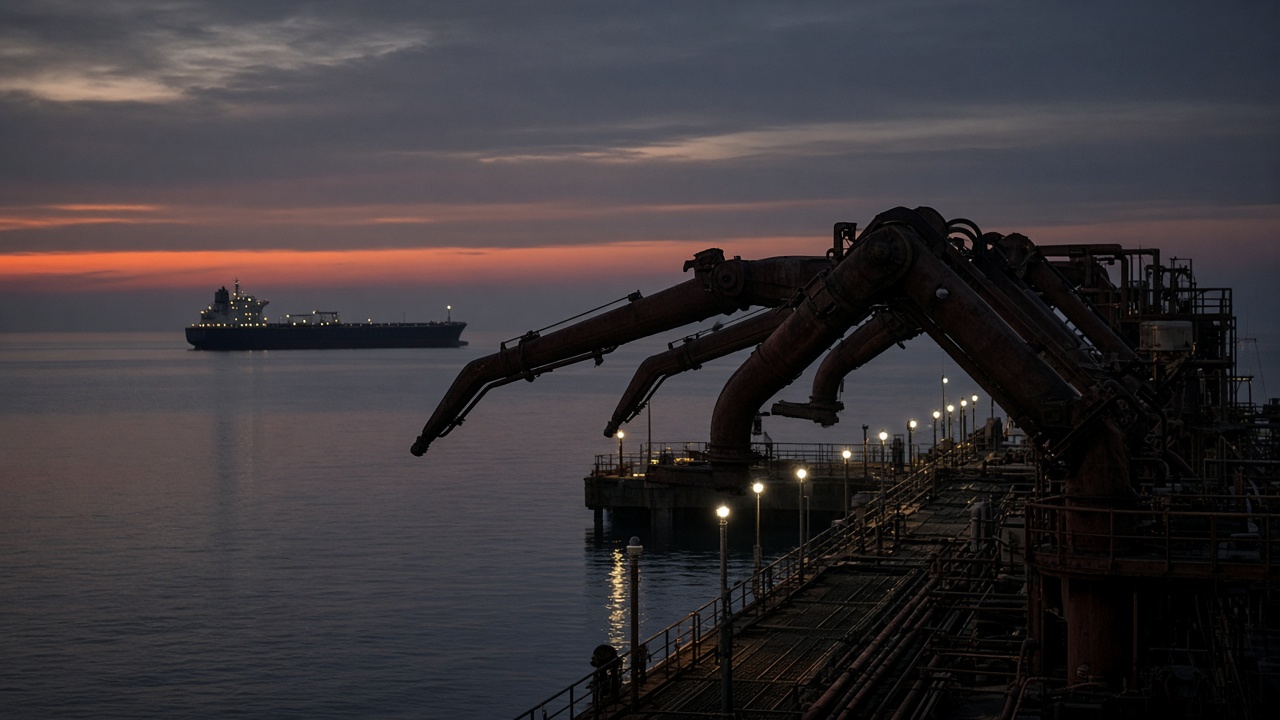
Saudi Arabia restarted its East-West oil pipeline on Tuesday at a low initial pumping rate, three sources briefed on operations told Reuters, reopening the kingdom’s main workaround around the Strait of Hormuz after drone strikes forced a shutdown on September 13. State firm Saudi Aramco did not comment publicly, but traders said crude loadings from the Red Sea port of Yanbu could resume later in the day, including one cargo scheduled for China.
Why the line matters to Aramco
The 745-mile pipeline normally lets Riyadh move about four million barrels per day—roughly 4 percent of global supply—from eastern fields to Yanbu, where tankers can exit via the Red Sea instead of sailing through Hormuz. Since the U.S.-Israeli war on Iran throttled Gulf transit, Aramco leaned on that route to keep Asian term customers supplied even as European allocations tightened.
Drone hits on September 13 halted pumping and stopped Yanbu loadings, pushing Aramco to sell additional barrels for movement through Hormuz and ship-to-ship transfers near Oman. OilPrice.com reported European term buyers were told October allocations could drop to zero while Yanbu flows were offline, because volumes that usually move through Egypt’s SUMED system to the Mediterranean were stranded inland.
Restart pace and market reaction
Sources said Aramco is working to restore flows toward the four-million-barrel target, but a security official estimated full throughput could take weeks. The pipeline was pumping slowly immediately after restart, two sources said, a typical pattern after damage assessments and pressure tests.
Brent futures fell more than $2 a barrel toward their lowest level since September 8 as the news hit desks in Singapore, according to Shafaq News and trading chatter cited by Reuters. Traders are positioning tankers toward Egypt’s Port Said and Sidi Kerir for ship-to-ship transfers ahead of renewed Saudi loadings, a sign the market treats the restart as durable even if not instant.
Red Sea refineries and Yanbu
One source said crude supply to Aramco refineries on the Red Sea coast will also resume, easing a bottleneck that had forced more processing eastward toward the Gulf. Satellite imagery published after the September 11 attack showed damage at infrastructure tied to the pipeline corridor, though Riyadh did not detail repair timelines.
The restart lands amid parallel fighting in Yemen, where Houthi advances along the Red Sea coast have kept insurers nervous about Bab el-Mandeb transits. Saudi Energy Ministry statements earlier in the week emphasized crew safety and environmental monitoring; Tuesday’s operational news is the first measurable supply relief since the drone campaign escalated.
What buyers watch next
Asian refiners with Yanbu contracts will look for nomination confirmations and freight spreads on the China route. European buyers will watch whether SUMED-linked cargoes reappear in October schedules after last week’s zero-allocation warnings.
For Aramco’s ledger, the decision is not merely technical: every day the East-West line stays down, the firm must discount Hormuz exposure or risk defaulting on term volumes. Tuesday’s low-rate restart is a down payment on credibility—full rates, and sustained Yanbu loadings, are the proof traders still need.