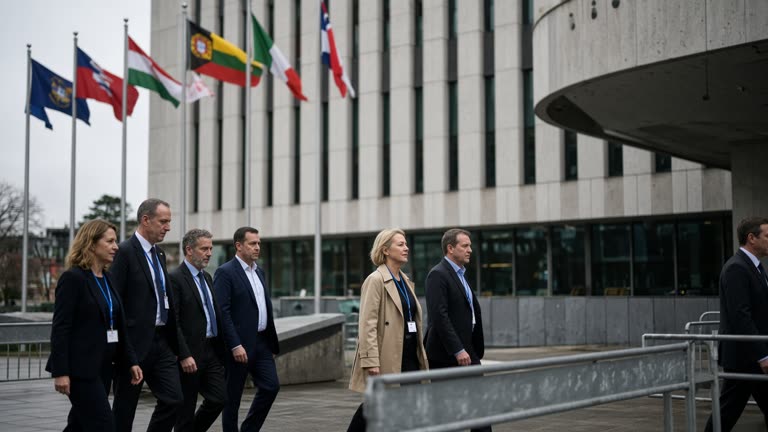
The board of Tata Sons voted on 17 September to reappoint Natarajan Chandrasekaran as chairman for a second term and to begin preparatory work toward listing the unlisted holding company, according to exchange filings and people present at Bombay House. Within hours, Noel Tata, who chairs the philanthropic Tata Trusts that own roughly 66 percent of Tata Sons, publicly challenged the resolution as illegal and vowed to pursue remedies in court.
What the board approved
Regulatory disclosures described a two-step package: extend Chandrasekaran’s leadership through 2030 and authorize management to hire bankers for a potential public offering of Tata Sons equity. Proponents argued a listed vehicle would improve transparency for lenders and simplify capital raises across Tata Steel, Tata Motors and the group’s sprawling services arms.
Livemint reported that independent directors backed the move after the Reserve Bank of India classified Tata Sons as an upper-layer non-banking financial company, triggering stricter governance and disclosure norms. Listing, supporters said, is the cleanest way to satisfy RBI expectations without fragmenting the conglomerate’s cross-shareholdings.
Trusts versus management
Noel Tata’s statement, carried by BBC and The Hindu, said the Trusts were not properly consulted on chairman succession and that the reappointment violated articles governing trustee consent. He framed the fight as stewardship, not personality: “Bombay House cannot become a closed loop,” he told reporters outside a Mumbai trust office.
Chandrasekaran has not commented on the legality dispute. Allies inside Tata Consultancy Services, where he remains non-executive chairman, describe him as the stabilizer who deleveraged after the Cyrus Mistry years. Trust-aligned directors counter that strategic pivots—especially the aggressive digital and airline bets—require trustee buy-in before titles are renewed.
RBI upper-layer pressure
The RBI’s upper-layer NBFC tag subjects Tata Sons to enhanced capital buffers, board-committee rules and periodic stress tests because of its scale and interconnected lending to group firms. Banking lawyers told The Hindu that listed NBFCs face fewer opaque related-party questions than private holding companies, but listing also exposes the Trusts’ control premium to market pricing.
Securities lawyers noted any IPO would need Securities and Exchange Board of India approvals and a minimum public float, potentially diluting Trust voting power unless structured with differential rights—a path Indian regulators have rarely blessed for family foundations.
What investors watch next
Proxy advisers said mutual funds holding Tata group paper through feeder schemes want clarity before the October earnings season. A court injunction could freeze the chairman vote, but operations at listed subsidiaries are legally separate; the risk is strategic drift if Bombay House spends quarters in litigation.
For Mumbai’s markets, the story is governance at scale: a chairman reappointed, a listing flag raised, and the charitable trusts that own the empire saying the process itself broke the rules.