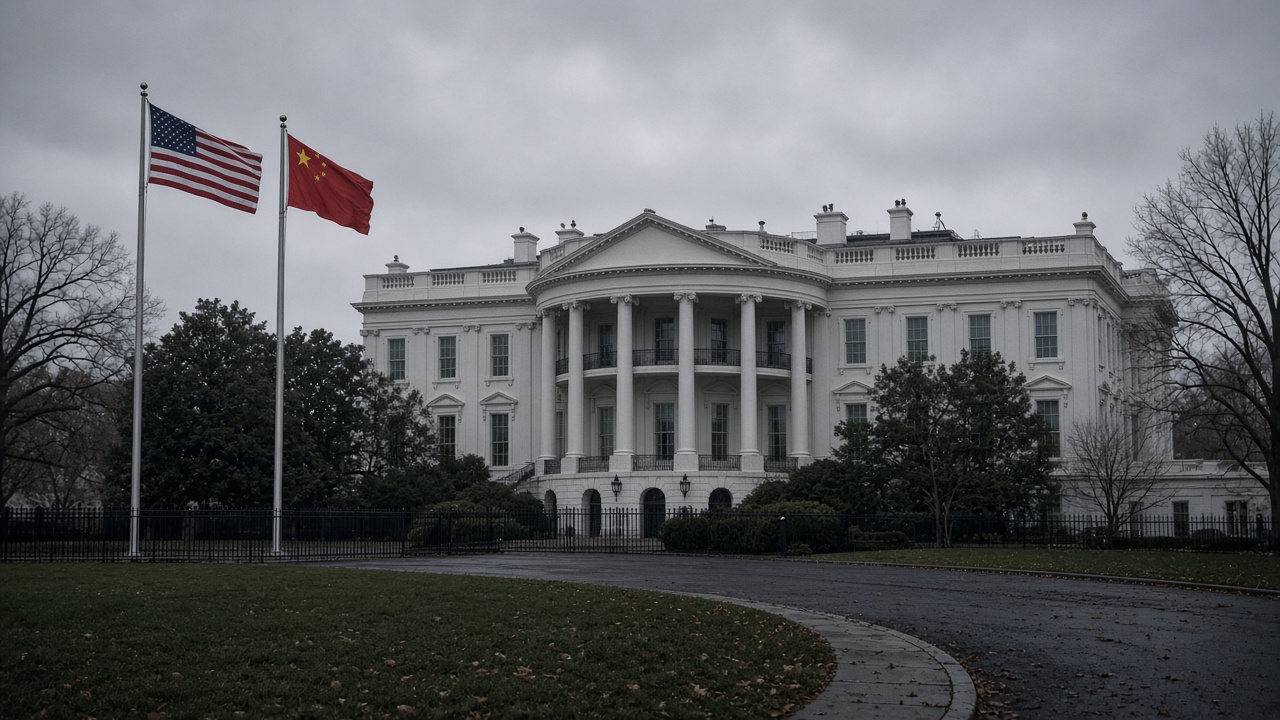
Treasury Secretary Scott Bessent told reporters on Thursday that the United States and China will extend a bilateral trade truce that had been set to expire in November through Jan. 10, a timetable announced minutes after Chinese President Xi Jinping arrived in Washington for a three-day state visit.
What Bessent announced
Bessent framed the extension as the main deliverable of the summit’s opening hours, saying negotiators would use the extra weeks to lock in purchase commitments, export-control guardrails, and enforcement language that both capitals can sell at home. The Treasury Department did not immediately publish a written communique, but officials traveling with President Donald Trump said the Jan. 10 date gives markets a clear runway through the holiday quarter.
The extension lands after a volatile year in which both governments layered tariffs on technology goods, critical minerals, and selected consumer imports. Bessent hinted that additional sectoral announcements could follow during Xi’s stay, but he stopped short of promising a full reset of the levies Trump imposed early in his second term.
Why the timing matters for boards
For corporate finance teams, the truce is less a peace treaty than a calendar marker: procurement and pricing models that assumed a November cliff can now run through early January without automatic tariff step-ups. Supply-chain chiefs still face chip-export restrictions and entity-list risk, but the headline bilateral pause reduces the odds of a surprise tariff bulletin during peak shipping season.
Analysts at several Wall Street banks said the extension was the minimum markets needed to avoid a pre-summit selloff. They cautioned that enforcement disputes—especially around advanced semiconductors and cloud services—can flare even when headline tariff rates are frozen.
Xi’s visit and the negotiating stack
Xi’s trip is his first White House visit in more than a decade and comes as Trump prepares a formal welcome on the South Lawn. Beyond tariffs, U.S. officials list artificial intelligence competition, Iran-related sanctions, and Taiwan security as parallel tracks that will not necessarily be resolved in a single joint statement.
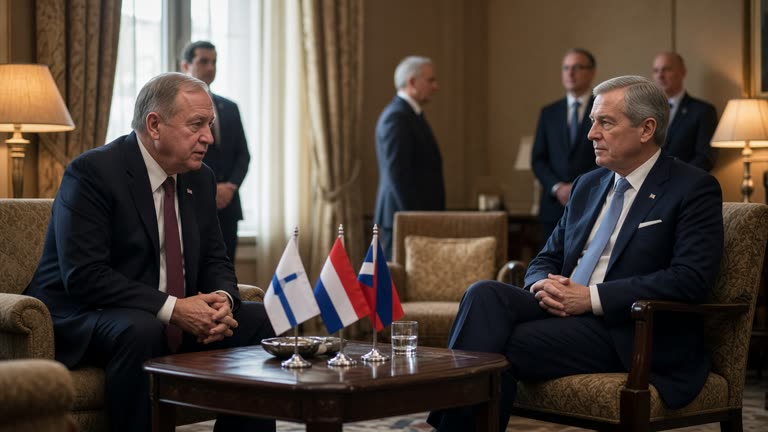
Chinese state media emphasized “mutual respect” and stable great-power relations, while U.S. aides stressed reciprocity on market access and intellectual-property enforcement. The two leaders are expected to hold expanded bilateral meetings with trade, national security, and technology deputies in the room—a structure designed to keep AI and export-control fights from collapsing the tariff conversation.
AI and technology on the sidelines
Even with the tariff pause extended, technology policy remains the sharper edge. U.S. restrictions on advanced chip exports and cloud services to Chinese customers continue to bite hyperscalers and equipment makers. Bessent acknowledged that AI governance is “on the menu,” but Treasury is not the lead agency on model safety or compute licensing.
Meta chief Mark Zuckerberg’s separate media tour this week underscored how corporate America is positioning on AI risk while presidents negotiate state-to-state. For the business desk, the split screen is the story: a dated tariff extension for markets, and unresolved technology friction for product roadmaps.
What investors watch next
Traders will parse any joint language on currency, agricultural purchases, and fentanyl-related enforcement—issues that have anchored prior phases of U.S.–China talks. If Bessent’s Jan. 10 deadline holds, the next pressure point becomes whether both sides sign implementing texts or merely roll the pause again.
Until then, the bulletin is procedural but real: a named expiration moved to January, announced as Xi’s motorcade reached Washington, with harder security and technology fights still on the table behind closed doors.