Washington’s long-advertised aviation squeeze on Iranian carriers hardened into daily reality on Thursday when the General Civil Aviation Authority in the United Arab Emirates announced an indefinite suspension of every Iranian airline flight to and from the country, a move Emirati officials said complied with a U.S. ban that threatens secondary sanctions against airports that still fuel, ticket, or service Iranian jets. Passengers who had counted on Dubai or Abu Dhabi as transit hubs woke to cancelled reservations and empty departure boards as Tehran’s remaining international network contracted further on the date Treasury Secretary Scott Bessent had framed as “economic D-Day” in the seven-month U.S.–Israel war on Iran.
What changed at midnight for Iranian aviation
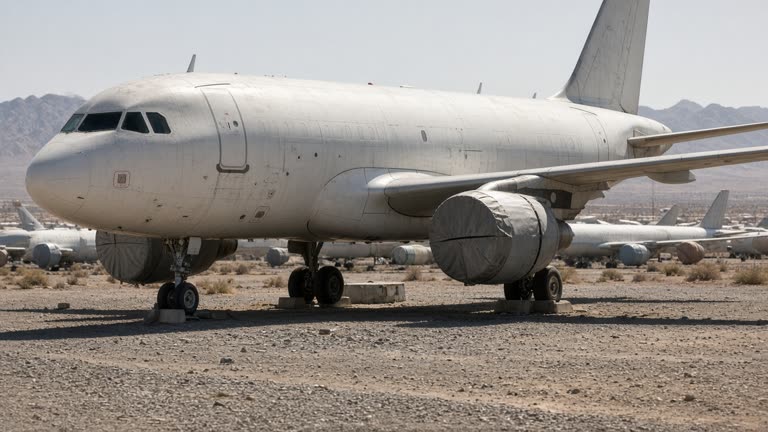
Reuters reported that Iranian flights to Gulf destinations including Dubai were cancelled as the wind-down period Bessent outlined earlier in the week expired. The GCAA statement, echoed by WAM and UAE media, left no exemption: Iranian operators could not land or depart until further notice. That follows Bessent’s CNBC warning that any firm selling fuel, landing services, or tickets to designated Iranian airlines risked expulsion from the dollar system—a threat designed to make compliance cheaper than defiance for ground handlers and banks.
Al Jazeera’s rolling coverage on Thursday tied the UAE halt to broader cancellations affecting Oman, Georgia, Azerbaijan, and Baghdad, while some routes toward Türkiye, China, and Najaf continued according to flight trackers cited by wire services. Mahan Air still landed in Guangzhou on tracking data France24 relayed, illustrating uneven enforcement even as Iranian civil aviation spokesmen told Tasnim that Muscat and Baghdad would no longer accept their aircraft.
Travelers pushed overland
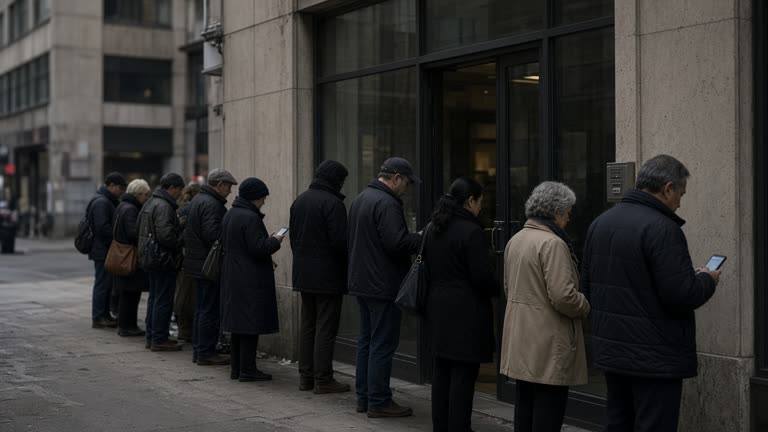
With Emirates, Qatar Airways, and Turkish Airlines already avoiding Iranian airspace for months, the fresh cutoffs intensified pressure on land corridors. Al Jazeera and AFP accounts from Tehran described congestion at Bazargan and Razi crossings into Türkiye and long queues toward Yerevan, where passengers hope to re-enter global aviation through Armenian airports still willing to host Iranian ticket holders. The human cost sits beside Bessent’s stated goal of blocking procurement channels the Treasury links to the Islamic Revolutionary Guard Corps, though U.S. officials also acknowledge civilian spillover.
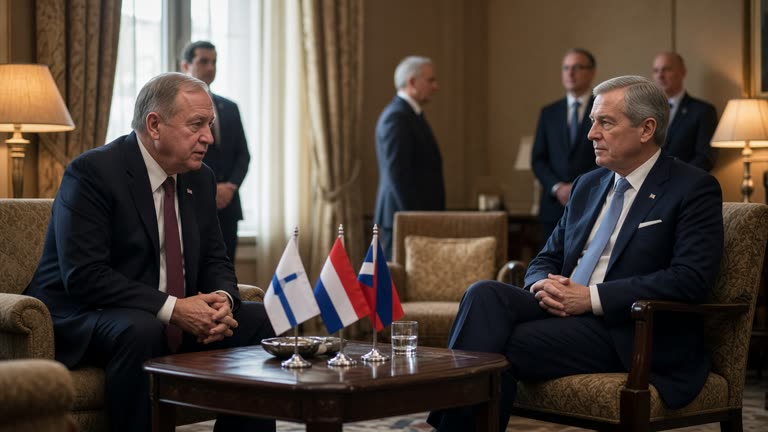
Iranian Supreme National Security Council secretary Mohsen Rezaei repeated on state television that neighbors who enforce the U.S. rules may see their own airports unable to operate flights toward Iran—a coercive message paired with President Masoud Pezeshkian’s defiant General Assembly speech and parallel mediator traffic in New York.
Saudi intercepts six missiles
On the same calendar day, Saudi-led coalition spokesman Major General Turki al-Malki told the Saudi Press Agency that air defenses intercepted six ballistic missiles launched by Yemen’s Houthis toward Taif and the Yanbu region on the Red Sea, home to major refining infrastructure. Reuters noted emergency alerts covering Jeddah and Mecca as the interceptions unfolded, and that a Greek Patriot battery operated by personnel in Saudi Arabia also downed a missile and a drone in the wider Yanbu area according to Greek security sources.
The Houthis did not immediately claim the salvo, but the timing underscored how Gulf security and Iranian aviation sanctions intersect: Riyadh’s air-defense network stayed active while UAE regulators grounded Iranian metal on the ground.
Markets and diplomacy
Energy traders still watch Hormuz closure rhetoric from Tehran even as aviation sanctions bite. Bessent’s package expands September designations covering 27 Iranian airlines under Operation Economic Outcast, extending a campaign that began with Treasury listings and wartime strikes. Chinese officials called the aviation measures illegal while allowing some Chinese destinations to remain open, a split that may define which Iranian diaspora families can reach home for winter holidays.
For the business desk, Thursday’s measurable shifts are regulatory rather than rhetorical: UAE suspension orders with immediate effect, Iranian ticket inventory removed from Gulf booking engines, and six confirmed ballistic intercepts on Saudi soil. Whether Washington’s D-Day produces negotiating concessions at the UN or simply deepens overland misery for Iranian travelers will depend on which capitals accept secondary-risk math before Bessent’s next deadline slips into Hormuz diplomacy.