Boeing Co. told internal delivery planners to pause updating the public China 737 Max shipment bridge for the fourth quarter, keeping Renton-built narrowbodies in a diplomatic hold while President Xi Jinping’s Washington state visit week pushes airline purchase talks behind Oval and Commerce meetings—a corporate decision that protects cash-collection forecasts from headline risk without yet writing off the world’s second-largest single-aisle backlog.
What the firm decided
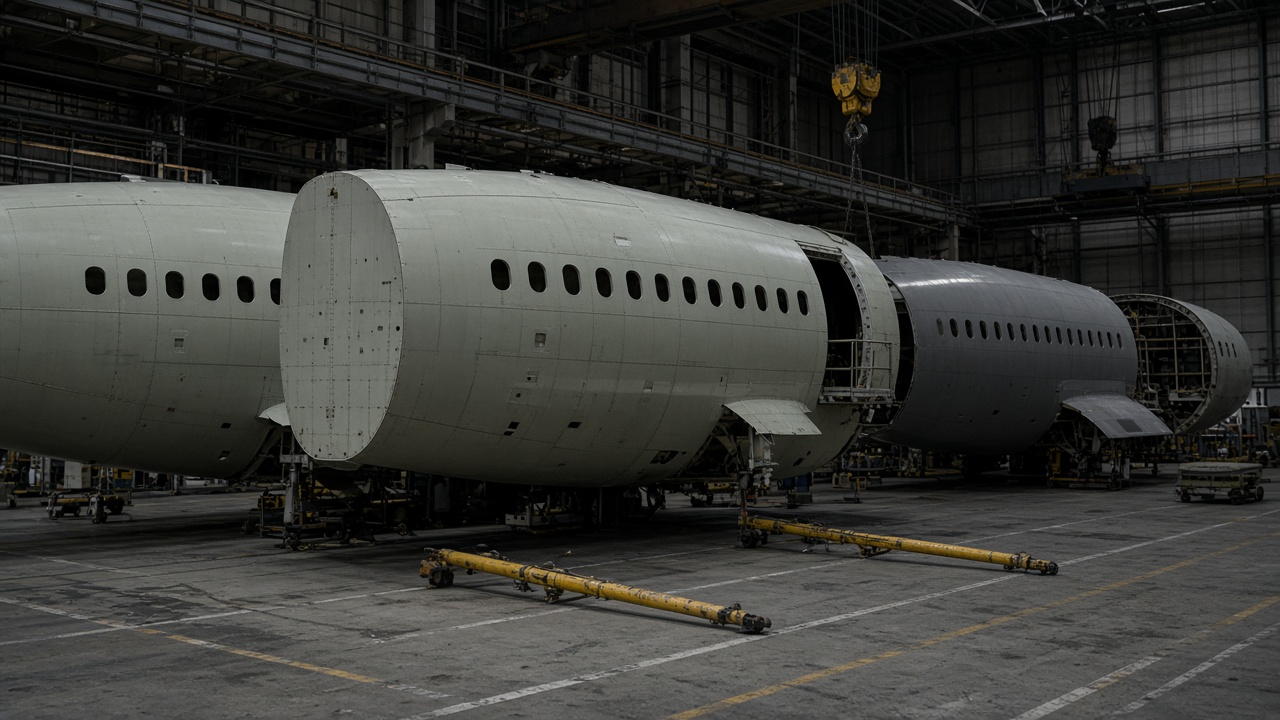
Commercial Airplanes leadership circulated a September 22 note effective through week’s end: no new China delivery dates in investor slides, no refreshed MOU language on earnings prep calls, and fuselage slots assigned to Chinese lessors stay in “flex” status rather than firm handover windows. The hold does not stop production; it stops Boeing from promising regulators and shareholders a timeline Beijing negotiators may veto before dessert at the state dinner.
David Wong’s beat reads operational memos as the real filing. Boeing’s 10-Q still lists China as a material market, but nothing in SEC text ties delivery cadence to state visits—the gap between Renton shift schedules and Arlington trade posture is where workers and investors live this week.
Who inside wins and loses
Delivery center teams in Seattle lose clarity on parking and customer acceptance flights; they gain fewer last-minute repaints when diplomatic surprises shift tail numbers. Government affairs staff in DC win breathing room to keep narrowbody orders off the public trade ledger while chip and rare-earth fights dominate Commerce channels.
Union shop stewards at Renton said overtime lists stayed normal—737 rates unchanged—but logistics coordinators warned that deferred China handovers stack pressure on domestic lessors if flex slots slip into 2027. Finance controllers prefer a hold to a restatement: missing a public forecast hurts less than missing cash after a plane sits unpainted at Zhoushan.
What filings say the release does not
Boeing’s investor site still promotes Max safety return and global demand; it does not mention Xi-week holds. The FAA certification record for Max 8 imports into China remains separate from purchase politics—airworthiness does not equal purchase clearance when Beijing uses fleet orders as leverage alongside export controls Washington debates Thursday at BIS.
Airbus SE continues delivering A320neo family jets to Chinese carriers on schedules Boeing cannot match rhetorically this week; Boeing’s pause is forecast discipline, not factory silence. Peer filings show both OEMs treat China as long-cycle; Boeing’s hold makes that cycle explicitly diplomatic for a few days.
Mechanism: forecast versus handshake
Delivery forecasts drive working-capital models: progress payments trigger at milestone events Boeing books in cash-flow slides. Holding the public bridge steady avoids revising guidance while Trump-Xi teams negotiate everything from soybeans to advanced lithography—not because planes are undeliverable, but because announcing dates becomes a trade leak.
Lessors with Chinese lessee pipelines told InfoHandle they expected September acceptance ceremonies; those ceremonies now sit in calendar limbo. Insurance and export credit agencies watch tail numbers; a hold at Boeing HQ reduces the chance of a plane flying to Guangzhou while cameras are on the South Lawn.
What happens next quarter
If state-visit communiqués reopen airline MOU language, Boeing can refresh the bridge fast—fuselages exist. If talks sour, flex slots convert to domestic or Southeast Asian placements already queued in sales CRM tools. Either path beats promising fifty frames in October and delivering twelve amid tariff retaliation headlines.
Analysts on aerospace earnings calls will hear “customer-specific timing” rather than “Xi visit”—standard euphemism. For Renton workers, the visible story is unchanged line rates; for Boeing’s power map, it is choosing forecast credibility over being the first OEM to tie narrowbody counts to a state dinner menu.
Supply chain read-through
Spirit AeroSystems and CFM LEAP shipments follow Boeing master schedules; a forecast hold does not cancel supplier POs but may shift engine install priorities toward carriers that can sign acceptance paperwork this month. Washington state tax incentives tied to delivery volumes matter to local officials watching UNGA-week traffic—not Boeing’s core lever, but another stakeholder who hears “hold” as delay.
Chinese carriers still operate Max fleets cleared after prior regulatory thaw; the fight is forward orders, not grounding. Boeing’s decision keeps order talk off the ice without melting the backlog on paper—a quarter-end posture Arlington prefers while Commerce publishes chip rules that matter as much as seat counts in this visit’s bargaining stack.