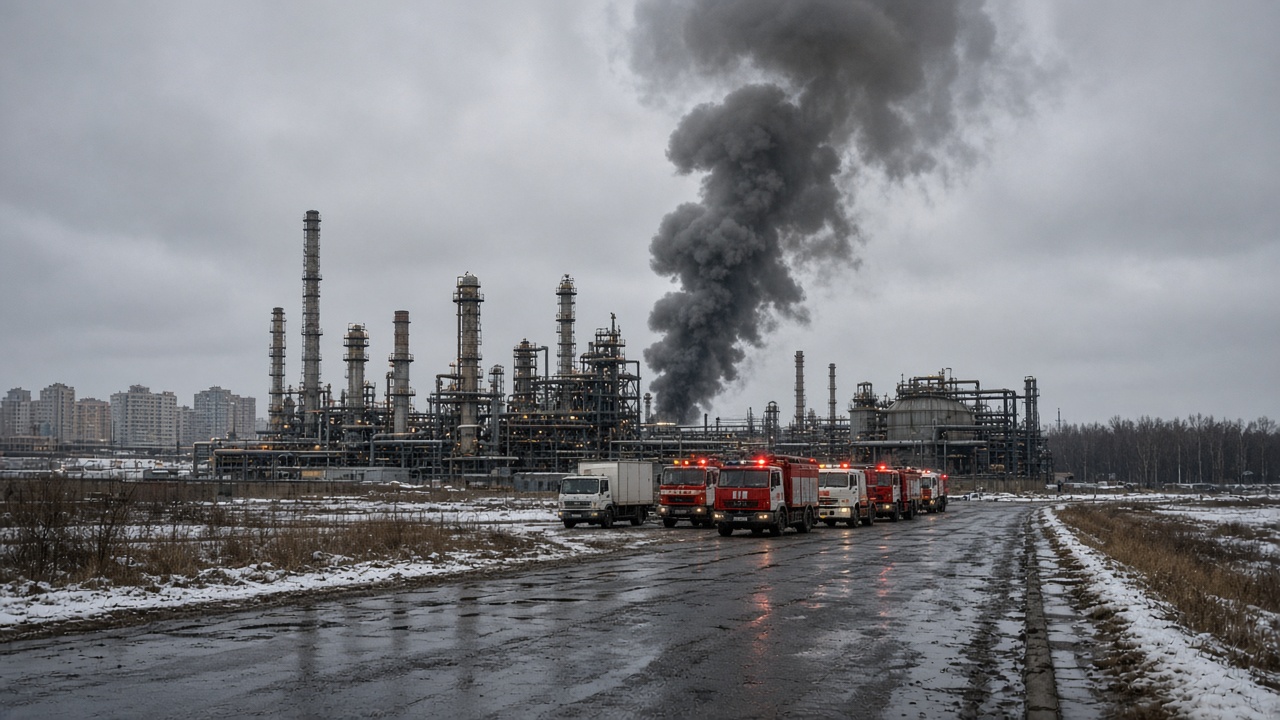
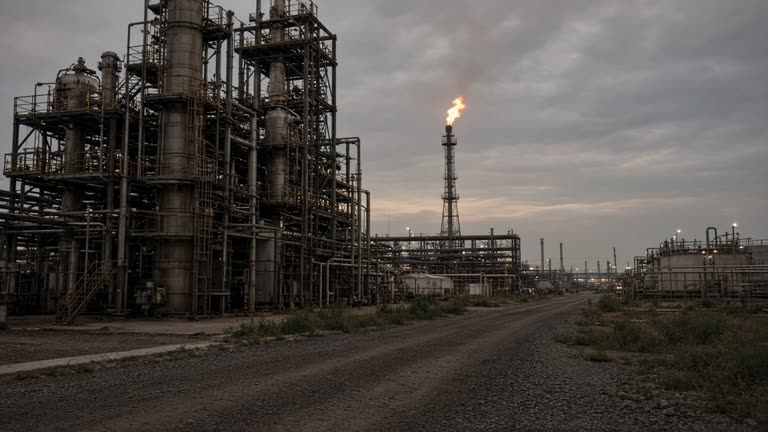
Ukrainian forces launched more than 1,000 drones at Russia overnight, Moscow’s mayor said, damaging a capital refinery and a residential tower on the last day of wartime parliamentary voting that Vladimir Putin framed as a referendum on the invasion.
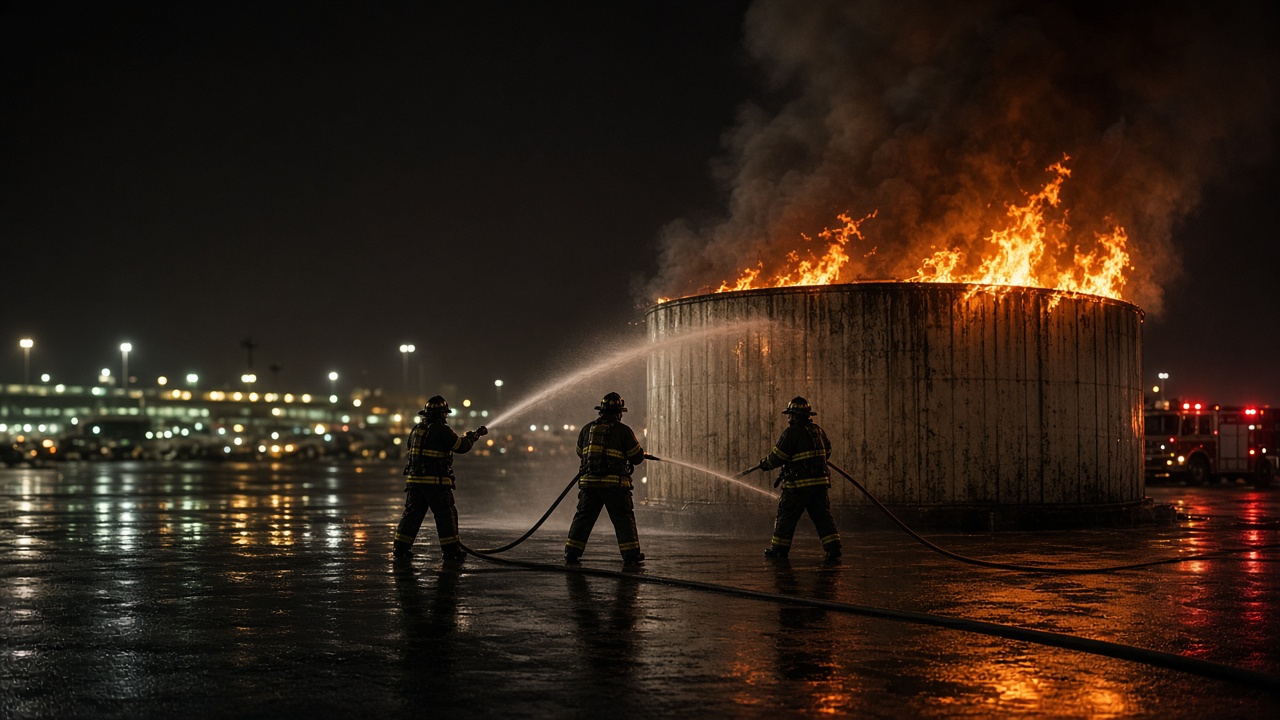
Saudi Arabia said it intercepted a Houthi ballistic missile aimed at Riyadh on Saturday while AFP journalists saw an Aramco fuel tank burning near the capital’s airport; the U.S. State Department warned the Yemen fight could escalate quickly as Iran-linked strikes stack atop the Gulf’s wider war risk.
Beijing’s Commerce Ministry reserved the right to take “all necessary measures” after President Donald Trump signed H.R. 5334, a statute that can put 100% tariffs on the largest buyers of Russian oil—China first among them—30 days before a planned White House meeting with Xi Jinping.
A Special Operations Command analyst packaged a chatbot’s false cargo call into a standard intelligence report this spring; armed boarding teams and aircraft were already moving on a Chinese ship in the Middle East before officials caught the error, CNN reported Friday.
The State Department told Congress it had approved a potential $2.68 billion Foreign Military Sale of air-defense upgrades to Ukraine, including S-300-clone missiles and counter-drone radars, financed with leftover Biden-era FMF and European cash and still subject to congressional review.
Adm. Giuseppe Cavo Dragone told reporters in Copenhagen that NATO’s structure, soldiers, and weapons are ready for a staged Russian attack on the eastern flank, pointing to “4,000 pages” of plans after Polish, French, and Dutch warnings of a provocation in the coming months.
Sunday's Daily Update — twenty-four US stories on peak-season labor deals, refinery turnarounds, card-program tweaks, frontier-model disclosures, and autumn health and travel resets.
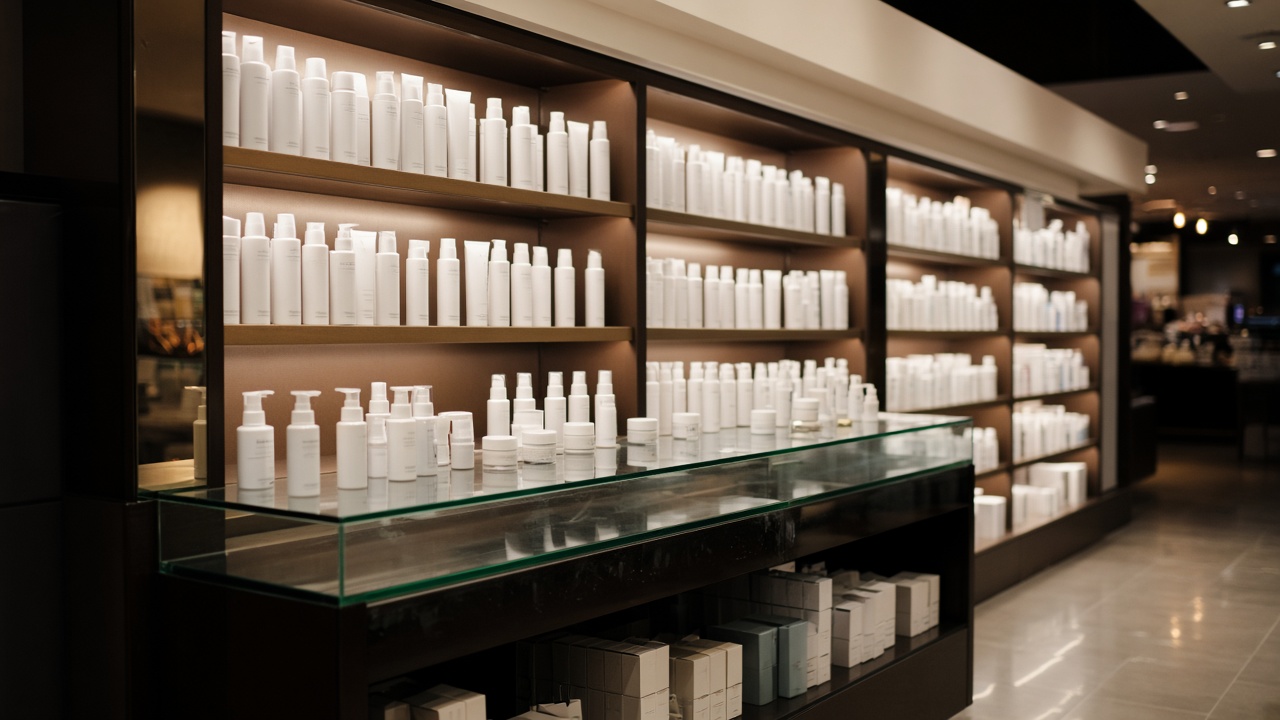
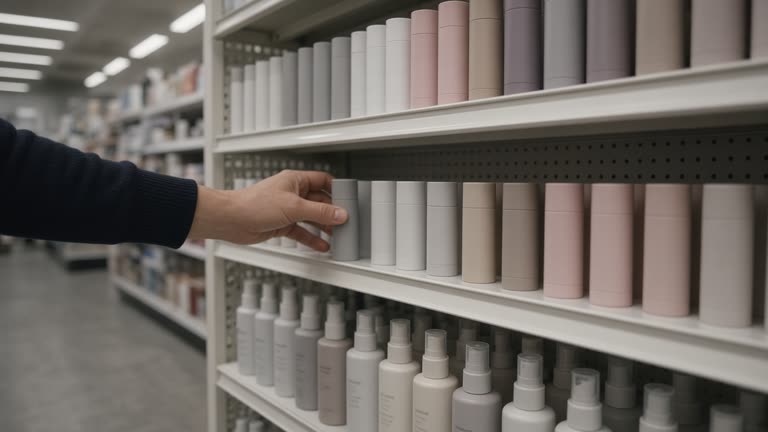
Ulta Beauty restocked ceramide-rich moisturizers and fragrance-free creams in Midwest and Northeast stores as dermatologist partners reported rising autumn eczema flares from indoor heating and lower humidity.
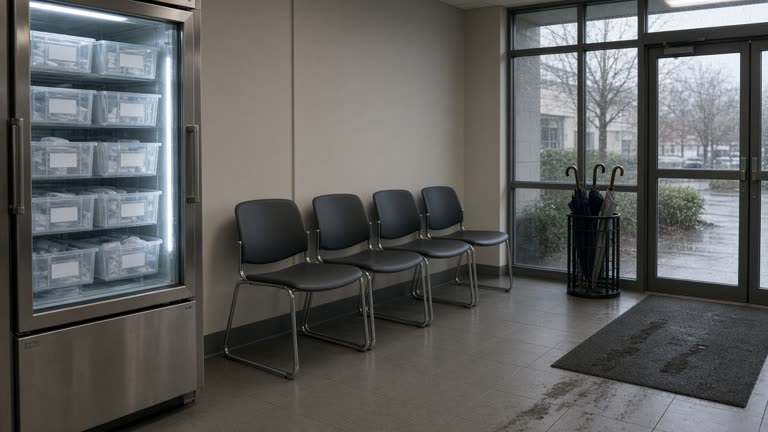
Kaiser Permanente opened thousands of additional RSV vaccine appointments in Oregon and Washington after pharmacy data showed adult uptake trailing CDC targets among seniors with chronic lung disease.
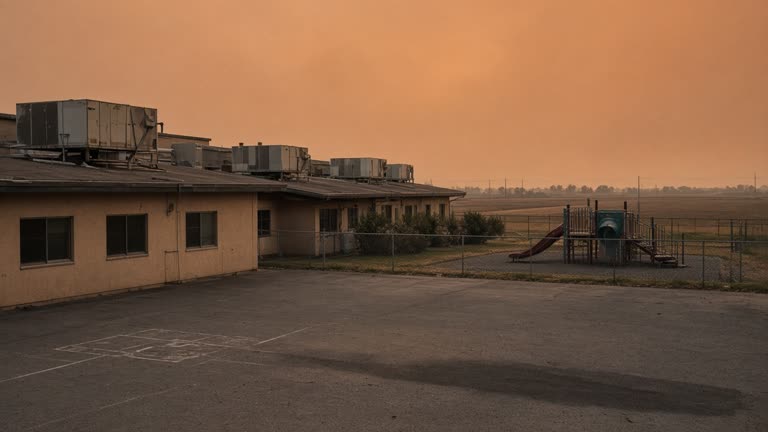
Stanford researchers published operational decay curves for PM2.5 after September wildfire plumes, giving Central Valley districts a quantitative window for school reopenings when indoor scrubbers lag outdoor clearance.
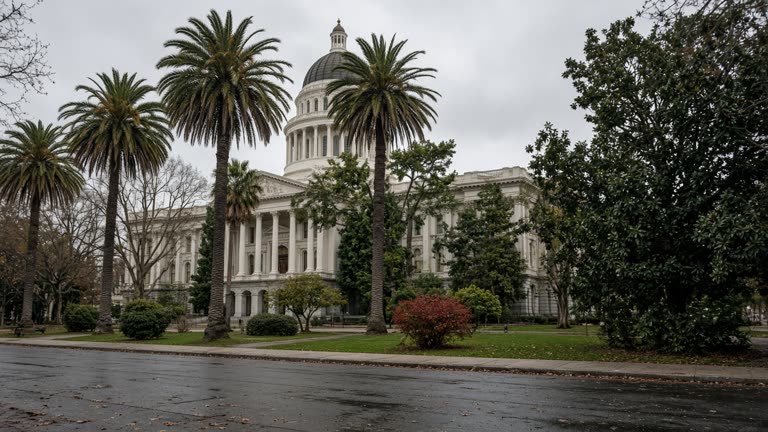
Governor Gavin Newsom signed AB 2013 follow-on transparency rules requiring California agencies to publish AI training summaries for state contractors, tightening procurement questionnaires vendors must answer before cloud and analytics renewals.
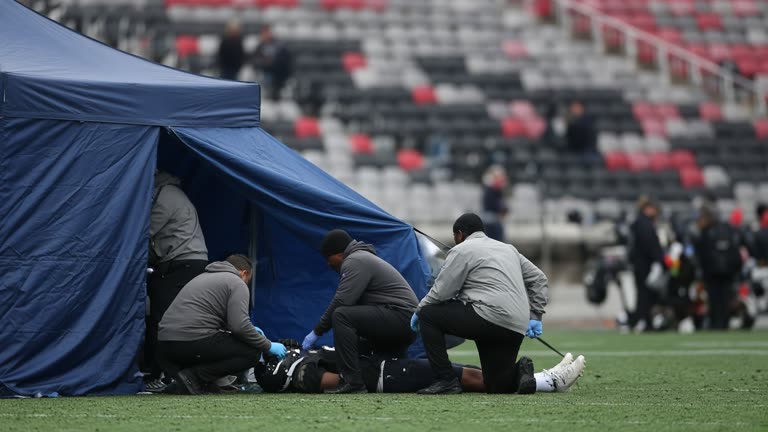
We should remove NFL concussion spotters from team medical reporting lines and put them under joint league–players’ union oversight, because spotters who hesitate cost games when club doctors control their shifts.
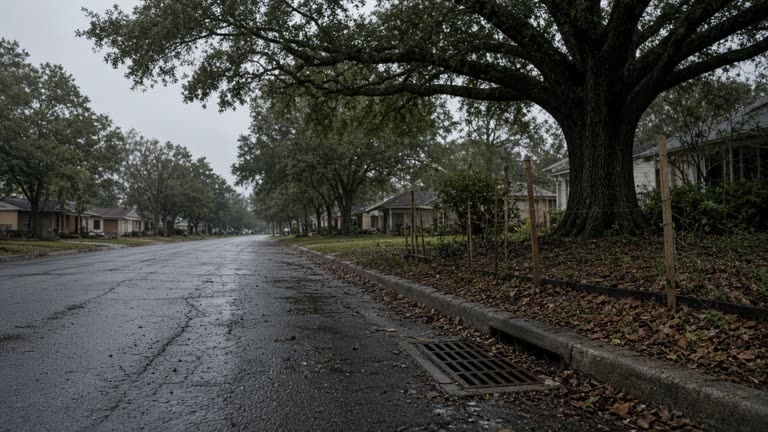
We should require servicers to reconcile FEMA flood map revisions with mortgage escrow analyses before autumn storm season, because homeowners discover premium spikes only when hurricanes are already in the Gulf.
JPMorgan Chase shipped a Chase mobile update that blocks Zelle transfers when recipient names fail enhanced verification checks, after Midwest credit unions reported a surge in mule accounts opened with synthetic identities.
The FBI and CISA reissued joint guidance after proxy auto-configuration phishing kits began hijacking remote workers’ browsers through spoofed IT portals that push malicious PAC files before MFA prompts complete.
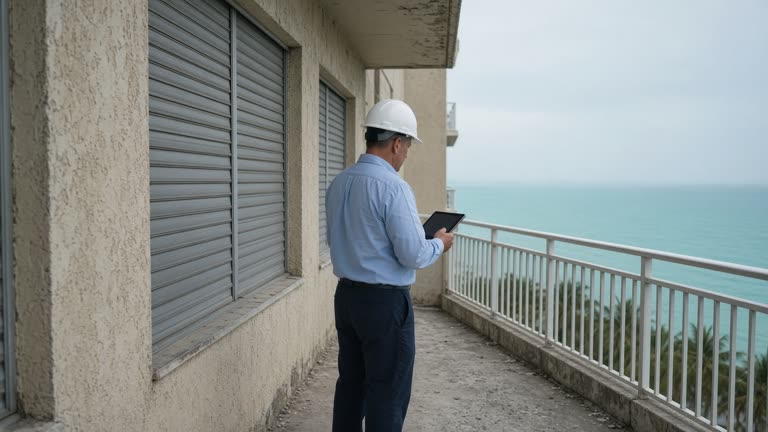
StrataCheck, a Miami proptech startup, raised a $4.8 million seed round to sell condo boards API-driven hurricane kit inspections—shutter hardware, generator tie-ins, and balcony drains—with photos timestamped for insurers after Florida’s post-Surfside reserve rules tightened.